Chinese Flat Wheat Noodles
When I first bought a pasta machine, my intentions were simple: fresh fettuccine, silky lasagna sheets, maybe the occasional batch of ravioli. But it didn’t take long before curiosity got the better of me. If this little hand-crank machine could turn a lump of dough into perfect pasta, what else could it do?
That question led me down a rabbit hole of research into Chinese noodles — and I was surprised by how simple the ingredient list turned out to be. No eggs, no exotic flours, just bread flour, water, a touch of baking soda, and salt. It seemed almost too straightforward to produce the chewy, springy noodles I’d had at my favorite noodle shops.
So I gave it a try. And while this recipe does take a bit of patience — between the resting times, it’s closer to an afternoon project than a weeknight dinner — it’s become one of my favorite kitchen rituals. There’s something genuinely satisfying about watching a rough dough ball transform into a smooth even sheet, as it feeds through the rollers, and then cutting that sheet into long strands of noodles, exactly the width and length I want. If you’re not in a rush, I’d call this a genuinely fun project, and a great way to get more use out of a pasta machine you might otherwise reserve for Italian cooking.
Step by Step Instructions
Start by whisking your dry ingredients together — the bread flour, baking soda, and pink salt — right in your mixing bowl. This is the easiest part of the whole process, so take a moment to really make sure that baking soda is evenly distributed; it’s what gives these noodles their signature chew.
Next, pour in the first cup of warm water and start mixing. At this stage, don’t expect a smooth, pretty dough. It’ll look shaggy and a little unpromising, and the water might not seem fully incorporated. That’s fine — resist the urge to add more liquid just yet. Cover the bowl with a kitchen towel and let it sit for half an hour. This rest gives the flour time to fully hydrate, and you’ll notice a real difference in texture when you come back to it.
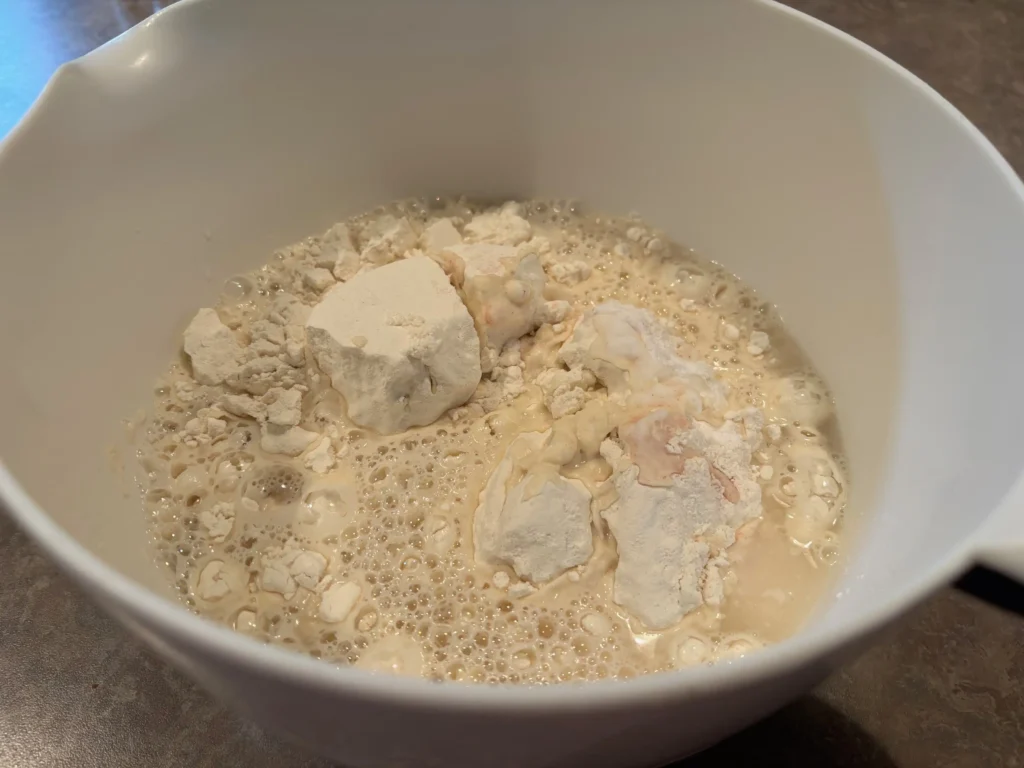
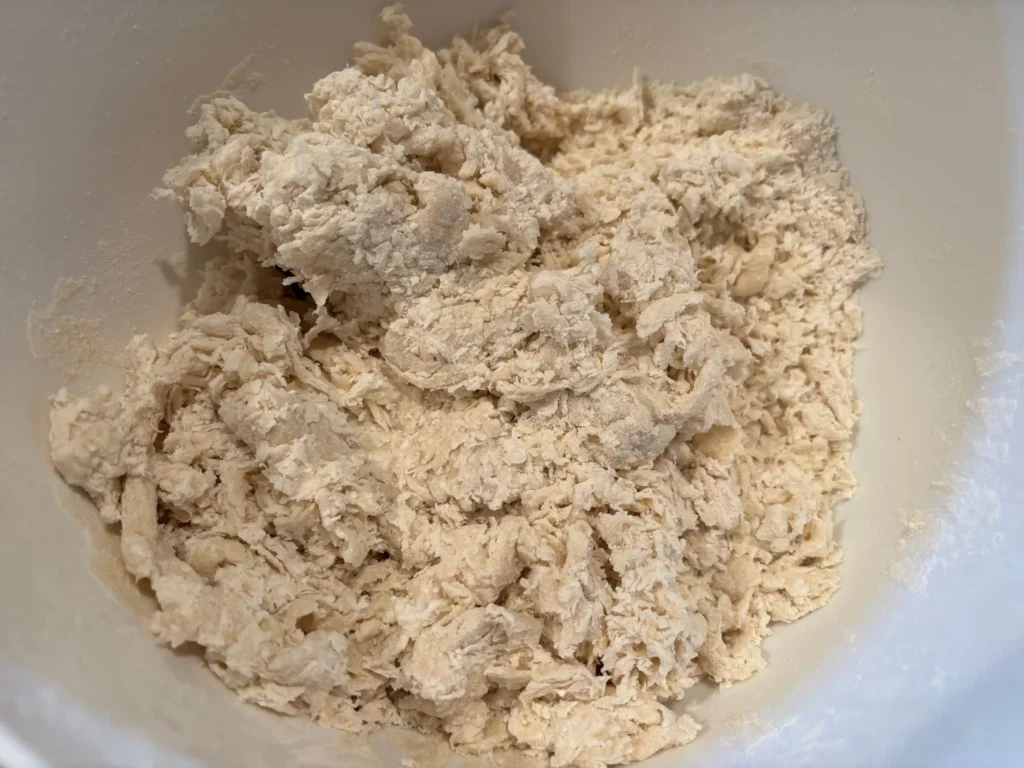
Once the rest is up, add the remaining half cup of warm water. This is usually the point where the dough finally starts to look like dough. Turn it out onto a lightly floured surface and knead for about five minutes, until it feels smooth and holds together as one cohesive ball. It won’t be as elastic as a bread dough — that’s expected, and it’s about to get even better.
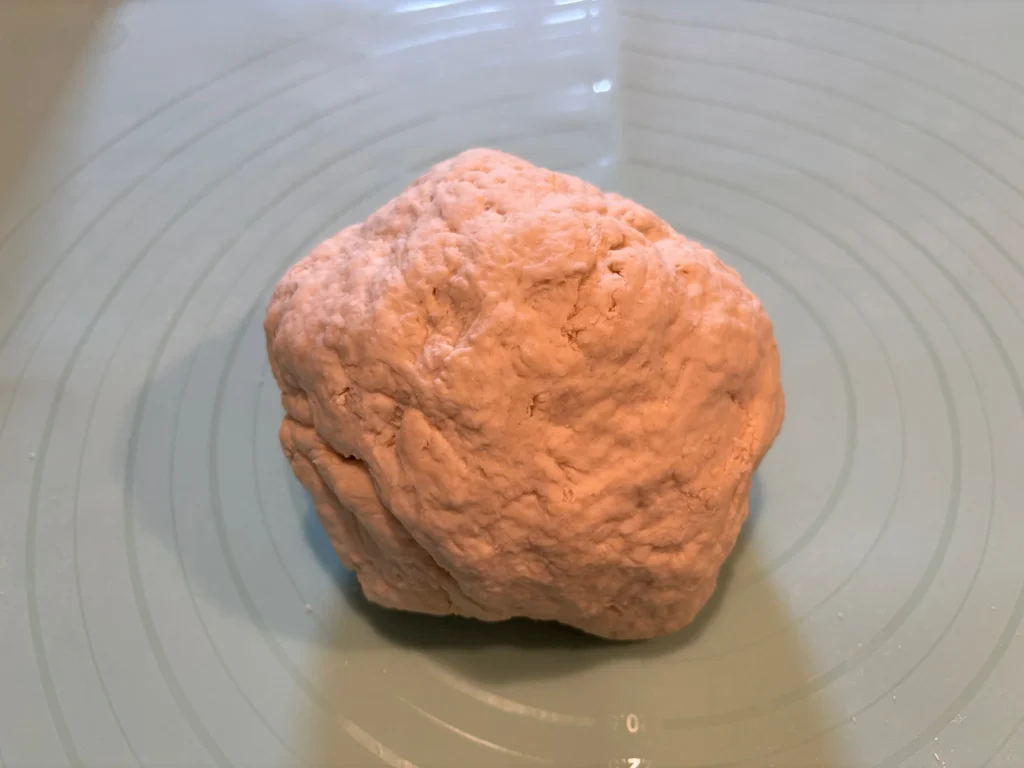
Now for the fun part. Feed the dough through your pasta machine, working down one setting at a time rather than jumping straight to the thinnest option — this gives the dough a chance to stretch gradually without tearing. A light dusting of flour on the sheet as you go will keep things from sticking to the rollers. I usually stop at level 7 for noodles with a satisfying, substantial bite, but feel free to go thinner if you prefer something more delicate.
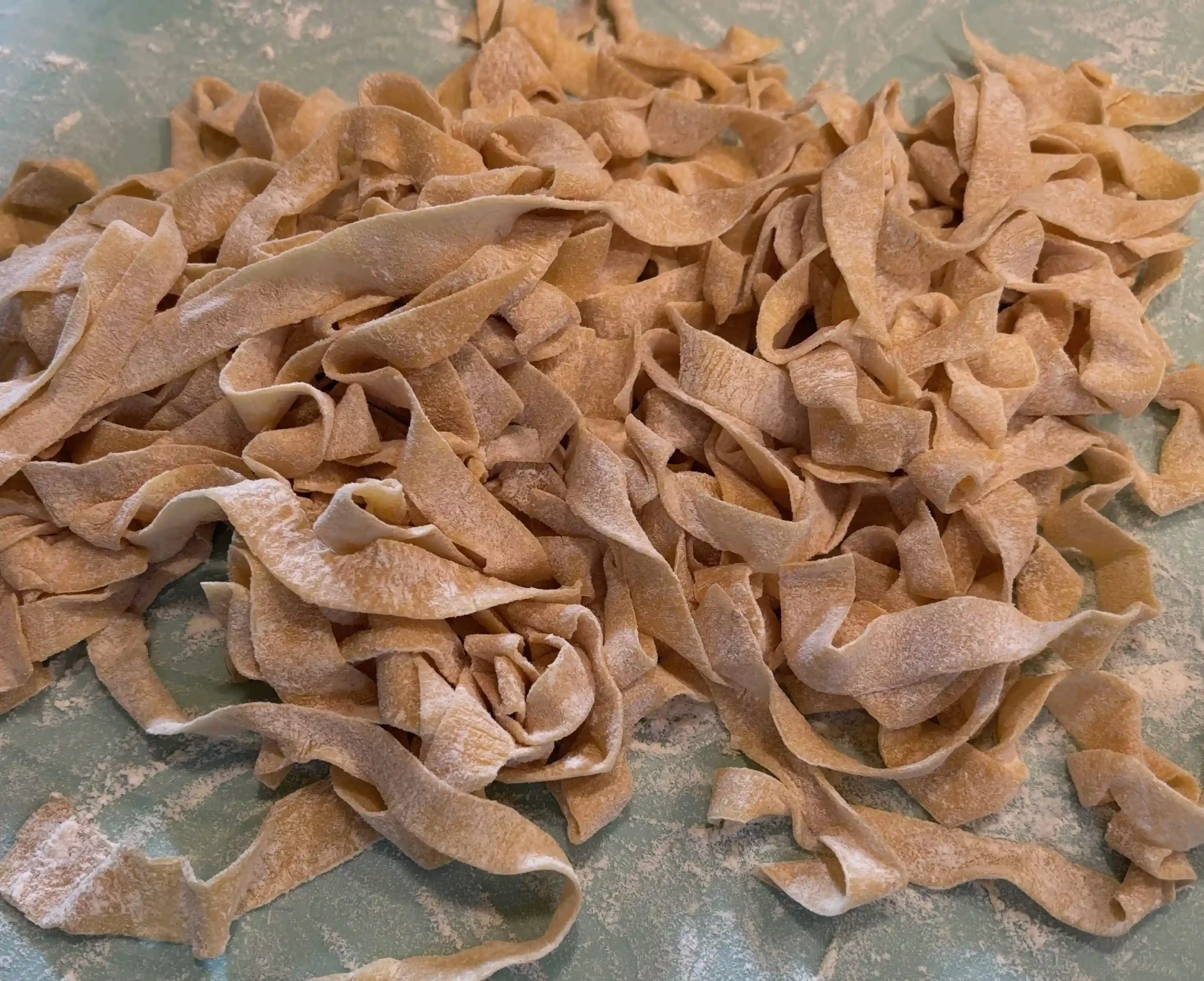
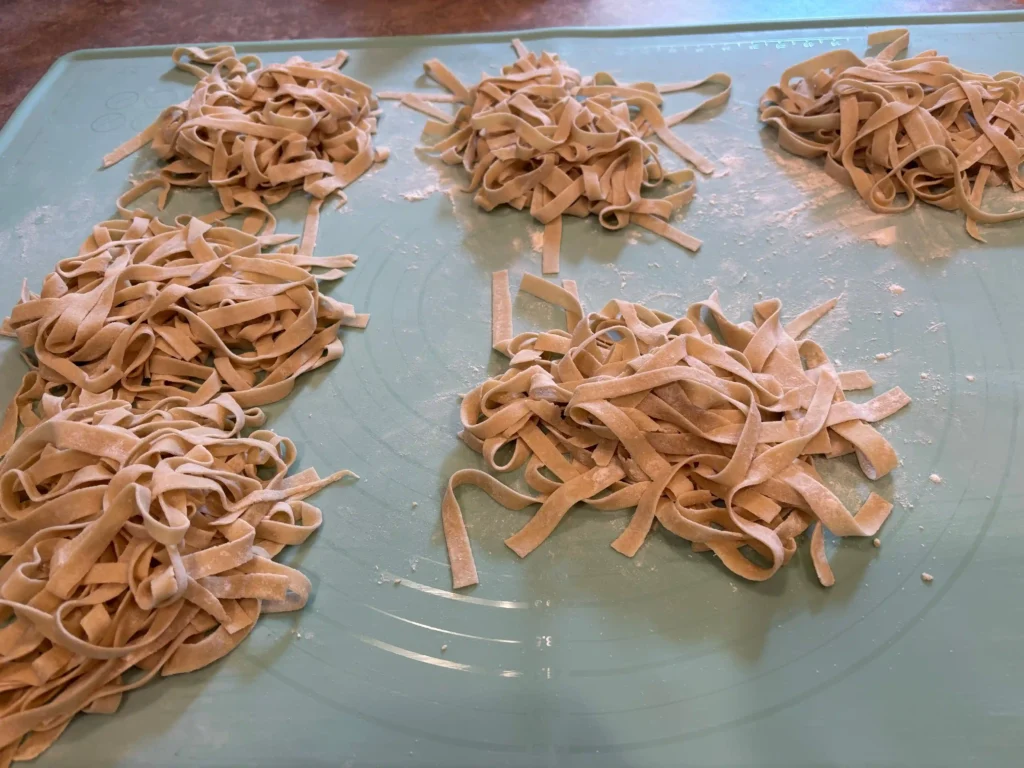
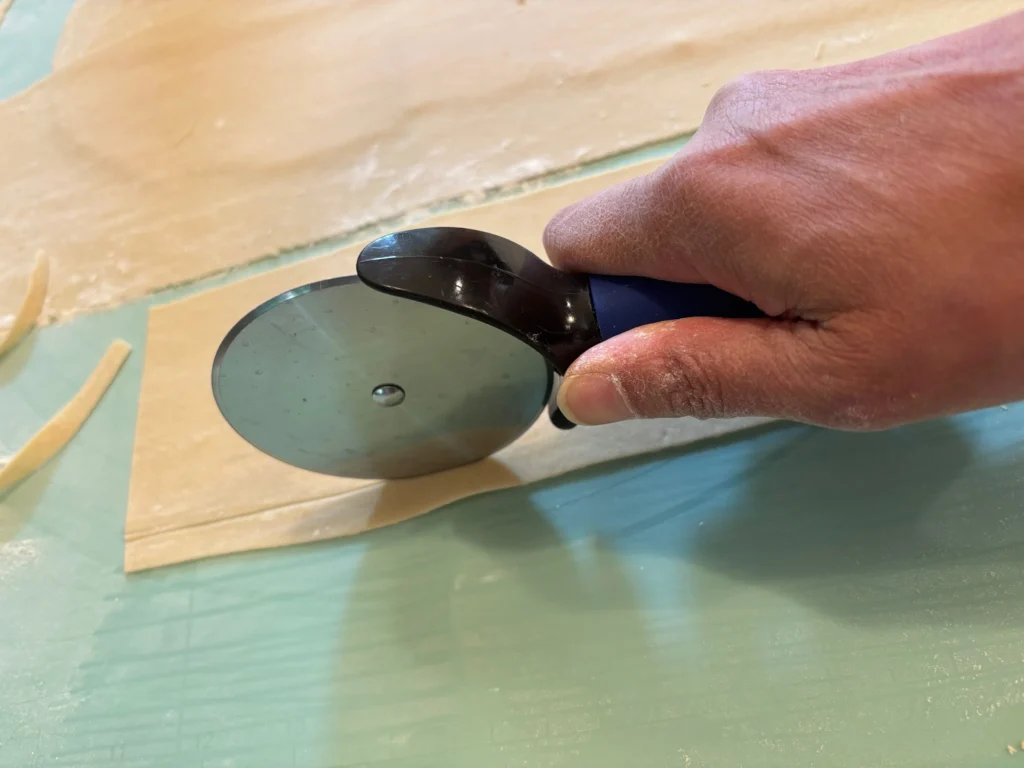
Once you’ve got a long, even sheet of dough, grab a pizza cutter and slice it into strips at whatever width you like — thin for soups, wider for a heartier stir-fry. There’s something oddly meditative about this step, watching a single sheet become a pile of noodles ready for the pot.
When you’re ready to eat, bring a pot of water to a rolling boil and drop the noodles in. They cook fast — just 2 to 3 minutes, or a little longer if you like them more tender. Have your sauce, broth, or stir-fry ready to go, since these noodles are best enjoyed the moment they come out of the water.
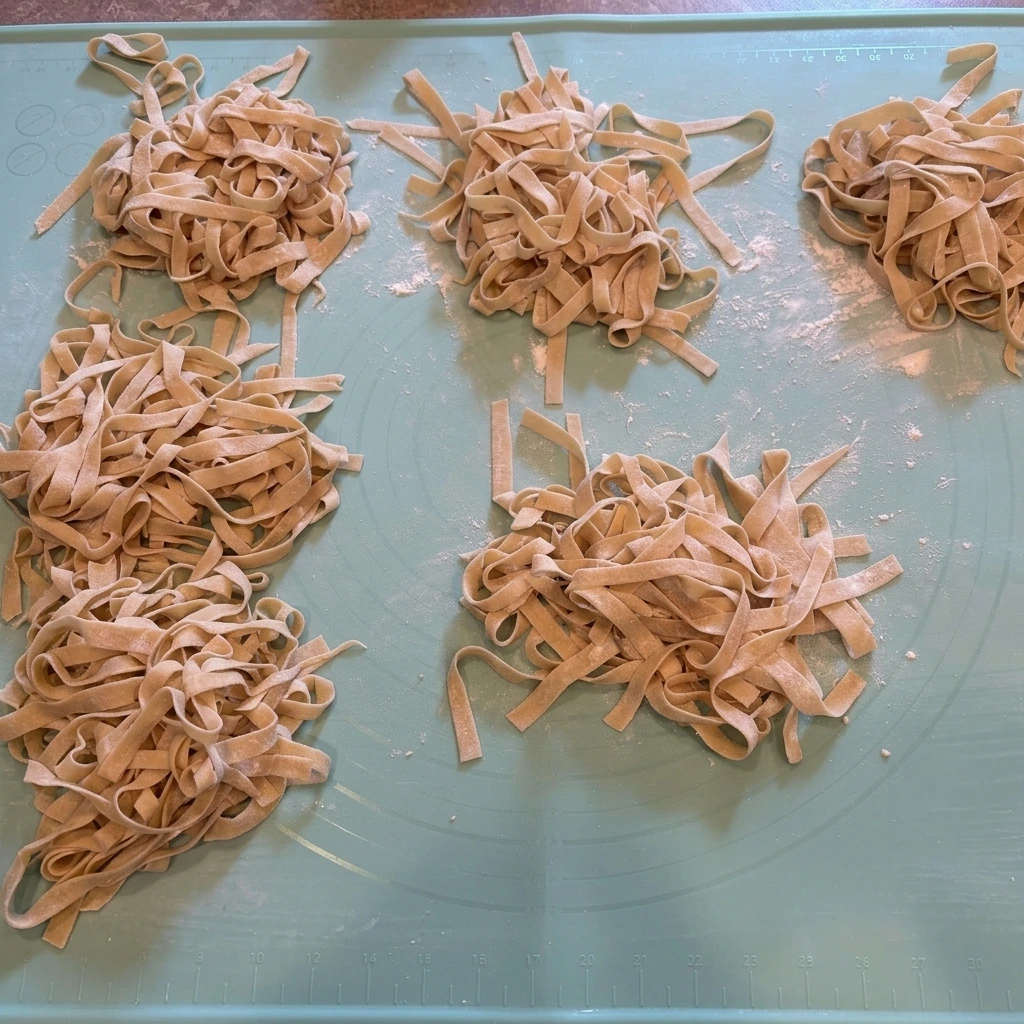
Chinese Flat Wheat Noodles
Ingredients
Method
- In a large mixing bowl, whisk together the 4 cups bread flour, 2 teaspoons baking soda, and 1 teaspoon pink salt until evenly distributed.4 cups bread flour, 2 tsp baking soda, 1 tsp pink salt
- Pour 1 cup warm water into the dry ingredients and mix thoroughly until the water is fully absorbed and no dry flour remains.1 1/2 cup warm water
- Cover the bowl with a clean kitchen towel and let the mixture rest.
- Add the remaining ½ cutworm water to the rested mixture.
- Turn the mixture out onto a lightly floured surface and knead into a smooth, cohesive dough ball, about 5 minutes.
- Wrap the dough tightly in plastic wrap and let it rest again, allowing the gluten to relax.
- Using a hand-crank pasta machine, flatten the dough gradually, one setting at a time, until it reaches the desired thickness (typically level 7 for Chinese-style noodles).
- Once flattened, cut the sheet into long strips using a pizza cutter.
Nutrition
Notes
- It’s completely fine if the dough doesn’t fully come together into a ball after the first rest (Step 3) — this will resolve once the remaining water is added and kneaded in.
- Before rolling (Step 7), dust the dough sheet lightly with flour to prevent it from sticking to the pasta machine.
- To cook, drop the noodles into boiling water and cook for 2–3 minutes, or until they reach your desired doneness.